Rampant Automation
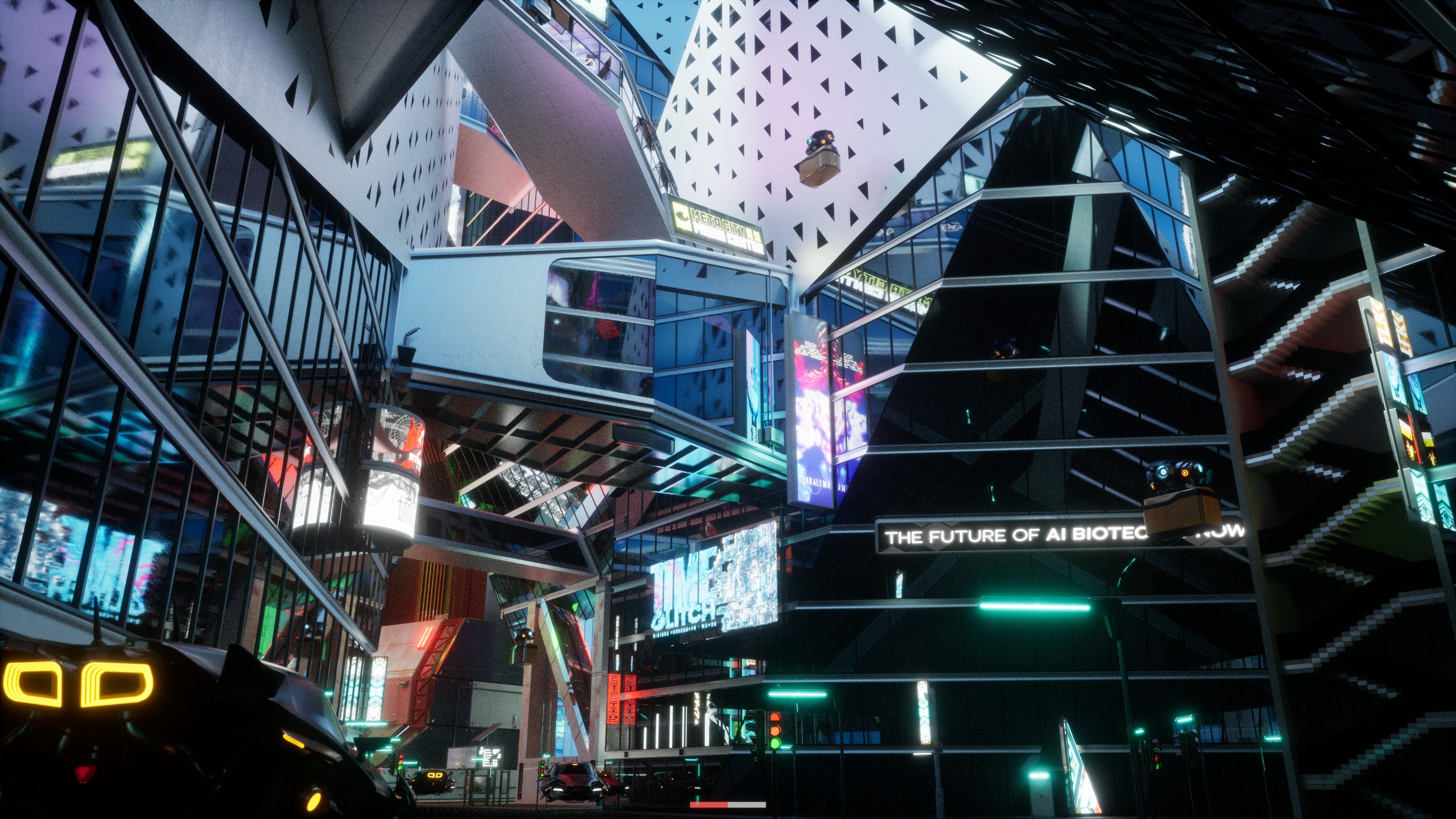
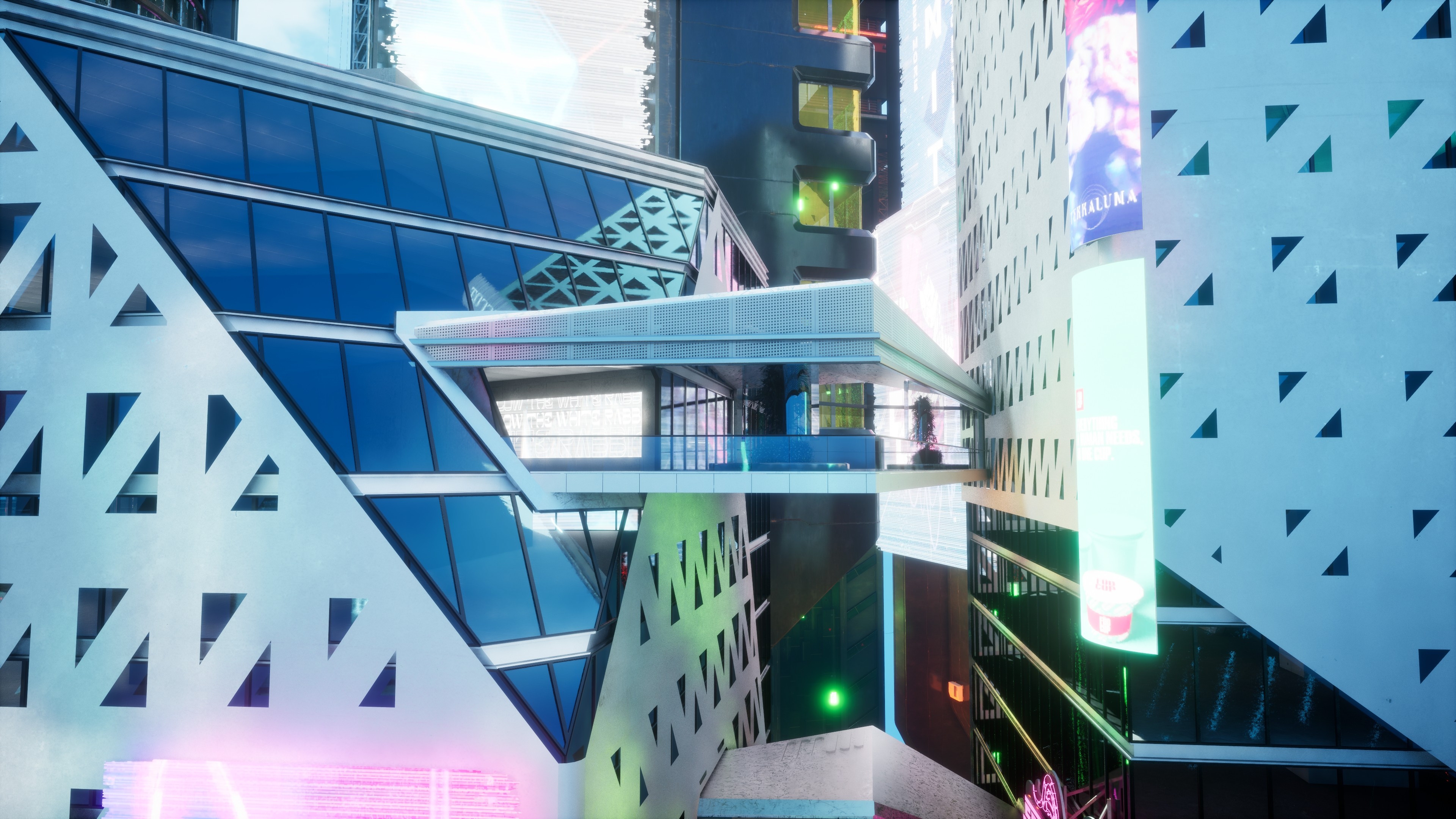
Developed within the [CPU]Ai atelier at Manchester School of Architecture, this thesis explores a future city shaped by automation, where mobility, logistics, and daily services become increasingly optimised through technology. Using Rhino, Grasshopper, and Unreal Engine, the project develops a computational urban framework and elevated “streets in the sky” typologies that reconnect buildings through social, quiet, active, event, and pause spaces.
Year
2026
Scope
Architecture
Client
Manchester School of Architecture
Category
Academic Research - Future Automated Cities
Fosters + Partners Emerging Technologies Award NOMINEE
Concept
FUTURE AUTOMATED CITY SCENARIO
Context
As automation transforms mobility, logistics and daily services, the ground plane becomes increasingly optimised for efficiency rather than social interaction. In areas like Trafford Park, already dominated by large footprints and infrastructure, this accelerates the decline of traditional public space. This also creates a shift in human social interaction, giving them more opportunity not to meet and become reliant on automated technology for social life.
Problem
As automated systems prioritise continuous movement and servicing (X), introducing social and civic space (Y) creates conflicts across multiple spatial systems (Z), including circulation, land use, building form and connectivity. These spaces must not only coexist, but operate together without disrupting the performance of the automated city
Computational Intervention
Building on the S2 computational system, this project selects and refines one generated urban iteration into a resolved architectural proposal. The elevated typologies are manually developed as inhabitable social, civic, and cultural spaces within the automated city, rather than remaining as abstract system outputs. A short cinematic film is then used to communicate how these spaces create new forms of public life above the automated ground plane.